
How to Run an Engaging First Training Session of the Season
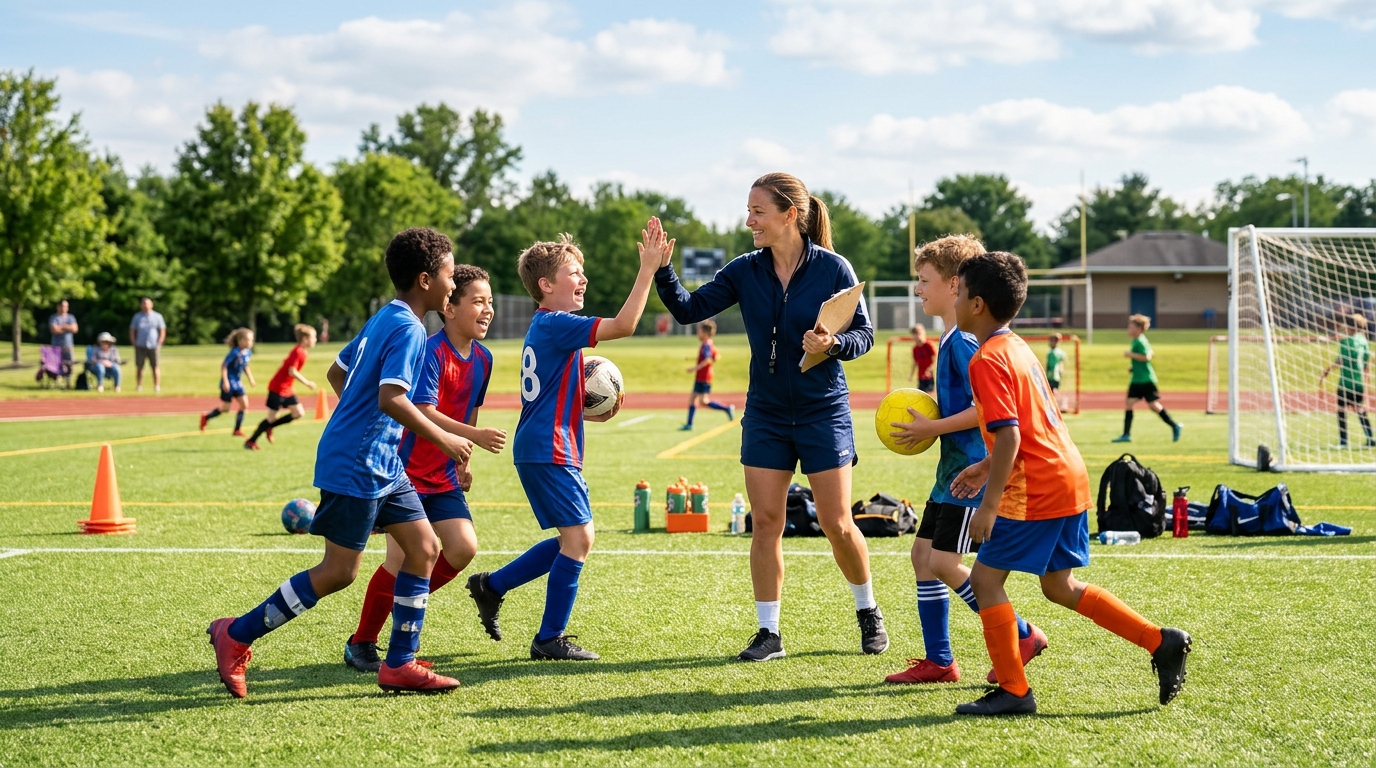
The first training session of a new season sets the tone for everything that follows. Players will arrive with different fitness levels, confidence, expectations and memories from the previous year. Some may be excited to reunite with teammates, while others may feel nervous about trying a new sport, joining a new squad or meeting a new coach.
Your aim is not to cover every technical skill or test everyone to exhaustion. A successful first session helps athletes feel welcomed, included and eager to return. It also gives you an early chance to understand the group and establish the standards that will shape your season.
Plan for connection before performance
Avoid making the opening session feel like a trial, punishment or lecture. Even in competitive environments, players perform better when they feel safe, valued and connected to the group.
Arrive early, set up equipment before players arrive and greet each athlete by name where possible. A simple welcome makes a major difference, especially for new or quieter players.
Start with a short team huddle that covers:
- Your name and the coaching team
- The purpose of the session
- A positive expectation for effort and behaviour
- A reminder that mistakes are part of learning
- A quick introduction activity for new teammates
Keep this opening brief. Players, particularly younger athletes, want to move. Aim for no more than five minutes of talking before the first activity begins.
Use a fun, active warm-up
A traditional warm-up can become an immediate energy drain if it is too repetitive or coach-led. Instead, choose an activity that gets players moving while encouraging communication, awareness and laughter.
Good first-session warm-up ideas include:
- Name-and-movement games, where players say their name while completing a simple movement or skill
- Tag variations that suit your sport, such as dribbling tag, passing tag or cone-collection tag
- Team challenges, such as moving equipment, completing relays or solving a movement puzzle together
- Reaction games using colours, numbers, calls or visual signals
Build in sport-specific movement gradually. For example, a football coach might add ball control to a tag game, while a basketball coach could include dribbling and change-of-direction work. The goal is to raise the heart rate without making fitness the main focus.
Keep activities simple and maximise touches
The first session should give athletes plenty of opportunities to participate. Long queues, complicated rules and extended demonstrations quickly reduce engagement.
Choose drills and games that are easy to explain, easy to adapt and allow everyone to have frequent contact with the ball, equipment or key skill. Small-sided games are especially effective because they naturally increase involvement.
A useful structure is:
- Show the activity in under 30 seconds.
- Let players try it for a few minutes.
- Pause only when needed to add one coaching point.
- Restart quickly and praise visible improvement.
Focus on one or two key themes rather than trying to coach everything. Depending on your sport, these might include spacing, communication, balance, passing, defensive positioning or decision-making.
Create early wins for every athlete
Not every player will begin the season at the same level. Design activities so beginners can experience success and more experienced athletes still have a challenge.
You can adjust activities by changing:
- Space size
- Team numbers
- Time limits
- Equipment size or type
- Number of touches, passes or attempts
- Scoring methods
For example, award bonus points for teamwork, successful communication or using a less confident player in an attacking move. This reinforces the behaviours you want while ensuring that success is not limited to the strongest athletes.
Use specific praise rather than general comments. Instead of saying, “Good job,” try: “Great support there—you moved into space and gave your teammate an easy option.” Specific feedback helps players understand what they did well and encourages them to repeat it.
Introduce team standards through activity
The first session is the right time to establish expectations, but avoid presenting a long list of rules. Players are more likely to remember standards when they see them in action.
Build your key values into the session. If communication matters, reward teams that call clearly. If respect matters, praise players who help collect equipment or encourage someone after a mistake. If punctuality matters, explain how arriving early supports the group.
At the end of the session, ask the team a few quick questions:
- What helped your team succeed today?
- What does good encouragement sound like?
- What should we bring to every training session?
This gives athletes ownership and helps turn values into shared commitments.
Finish on a positive, organised note
End with a fun game, challenge or competition that leaves players wanting more. Keep scores close where possible, rotate teams and avoid elimination formats that leave athletes standing on the sidelines.
Bring the group together for a final two-minute recap. Highlight effort, teamwork and one or two examples of improvement. Then share the practical details players and parents need, including the next training time, match information, equipment requirements and communication channels.
Using a club management platform such as SphereHyx can help coaches keep schedules, attendance, team updates and parent communication organised from day one. When administration is clear, you can spend more time building the positive training environment your athletes deserve.
A strong first session does not need to be perfect. It needs to be active, inclusive, well organised and enjoyable. If players leave feeling connected to the team and excited for the next session, you have made the ideal start to the season.
Run your club with SphereHyx
Teams, attendance, payments and tournaments — all in one place. Free to start.
Create your club free