
How to Run an Engaging First Training Session of the Season
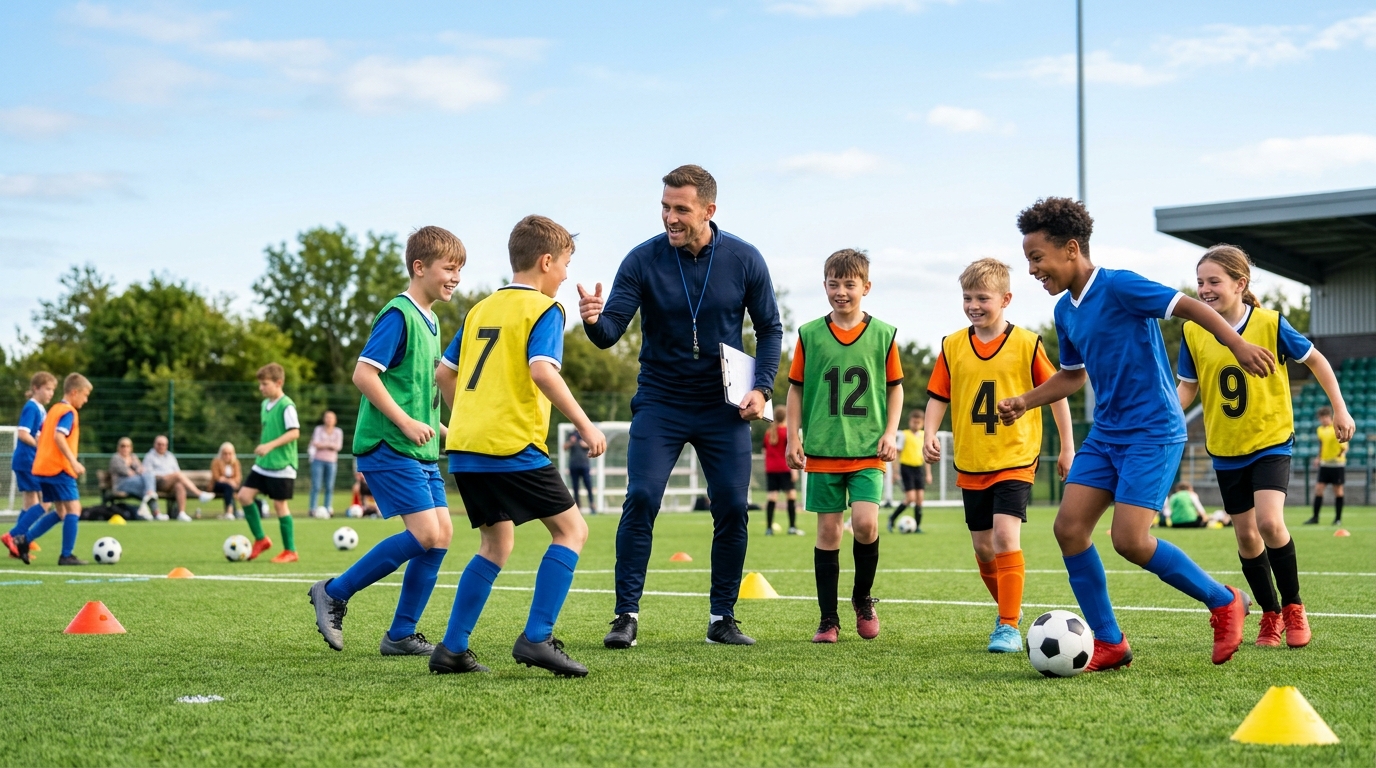
The first training session of a new season sets the tone for everything that follows. Players will arrive with different fitness levels, confidence, expectations and memories of last season. Some may be excited to return, while others may feel nervous, out of practice or new to the group.
Your priority is not to cover every technical detail on day one. It is to create a session where players feel welcome, active and motivated to come back. A well-planned first session should combine connection, movement, simple coaching points and a clear sense of what the season will look like.
Start with a warm welcome and clear structure
Players engage more quickly when they know what is happening and why. Arrive early, greet players individually and introduce yourself to new participants and parents where appropriate. Learning names matters: it shows that every player belongs.
Before the activity begins, gather the group for a short introduction. Keep it positive and brief. Cover:
- The purpose of the session: getting moving, meeting teammates and enjoying the sport.
- Your team values: effort, respect, communication and having fun.
- Basic practical details: session timings, water breaks, equipment and safety expectations.
- What players can expect from you: fair coaching, encouragement and clear feedback.
Avoid turning the opening chat into a long speech. Aim for two or three minutes, then get everyone moving. Players, especially younger athletes, will learn far more through activity than by standing in a circle.
Use an inclusive icebreaker with a ball or sport-specific activity
Traditional introductions can feel awkward, particularly for shy players. Instead, use a movement-based icebreaker that includes the equipment they will use during the season.
For example, create a simple name-and-action circle. Each player says their name and performs a movement, skill or celebration. The group repeats the name and action. In football, this could be a quick dribble move; in basketball, a pivot; in hockey, a stick-handling action.
Other useful options include:
- Partner challenges: pair players up to complete short passing, catching or movement tasks.
- Find someone who: ask players to find a teammate who shares a favourite sport, school year or hobby, then complete a simple skill together.
- Team relay stations: use low-pressure stations that require communication rather than pure speed.
Keep the activity easy enough for all ability levels. The goal is connection, not identifying the strongest players in the first ten minutes.
Build energy through small-sided games
Small-sided games are one of the best ways to make a first session engaging. They maximise touches, decisions, movement and interaction, while giving you a quick view of players' current abilities.
Use smaller teams and short rounds. A 3v3, 4v4 or similar format often works better than a full-size game because nobody is left waiting for long. Adapt the rules to encourage the behaviours you want to see.
Try simple challenges such as:
- Awarding an extra point when every player on a team contributes to an attack.
- Requiring three passes before a score or shot.
- Giving bonus points for positive communication or a successful team restart.
- Rotating teams regularly so players meet more teammates.
Do not overload players with tactical instructions. Give one clear focus, such as spread out, support the player with the ball, or communicate early. Praise effort and good choices as they happen.
Keep drills simple and purposeful
The first session is not the time for a complicated drill with multiple queues, technical rules and long explanations. Choose activities that have a clear purpose and can be demonstrated quickly.
A useful structure is play, practise, play:
- Start with a fun game that reveals a skill or team challenge.
- Run a short, focused practice activity linked to that challenge.
- Return to a game where players can apply what they have learned.
For instance, if players struggle to support each other in a game, use a short passing-and-moving practice before returning to small-sided play. This gives coaching context without draining the energy from the session.
When explaining an activity, use the 30-second rule: explain, demonstrate and start within 30 seconds whenever possible. You can coach more effectively while players are active.
Create early wins for every player
A strong first session makes every participant feel capable. Design activities with different entry points, so beginners can succeed while experienced players remain challenged.
You can adapt tasks by changing:
- Space size
- Number of touches or passes
- Distance to a target
- Time available to complete a challenge
- Equipment size, weight or speed
Use specific praise rather than general comments. Instead of saying “good job,” try “great effort getting back to defend” or “excellent communication before receiving the pass.” Specific feedback helps players understand what success looks like.
Finish with reflection and excitement for next time
End while energy is still high. A final fun game, team challenge or shootout-style activity can leave players with a positive final impression.
Bring the group together for a quick close. Ask one or two simple questions:
- What did we do well as a group today?
- What was one thing you enjoyed?
- What should we improve next session?
Reinforce the positive behaviours you saw, thank everyone for their effort and preview the next session. Coaches can also use a club management platform such as SphereHyx to share schedules, attendance details, updates and team communications in one place, helping players and families feel organised from the start.
A successful first training session is not about perfection. It is about building trust, creating momentum and making every player eager to return. Keep it active, inclusive and enjoyable, and you will give your team the best possible start to the season.
Run your club with SphereHyx
Teams, attendance, payments and tournaments — all in one place. Free to start.
Create your club free