
Managing Playing Time Fairly Across a Youth Roster
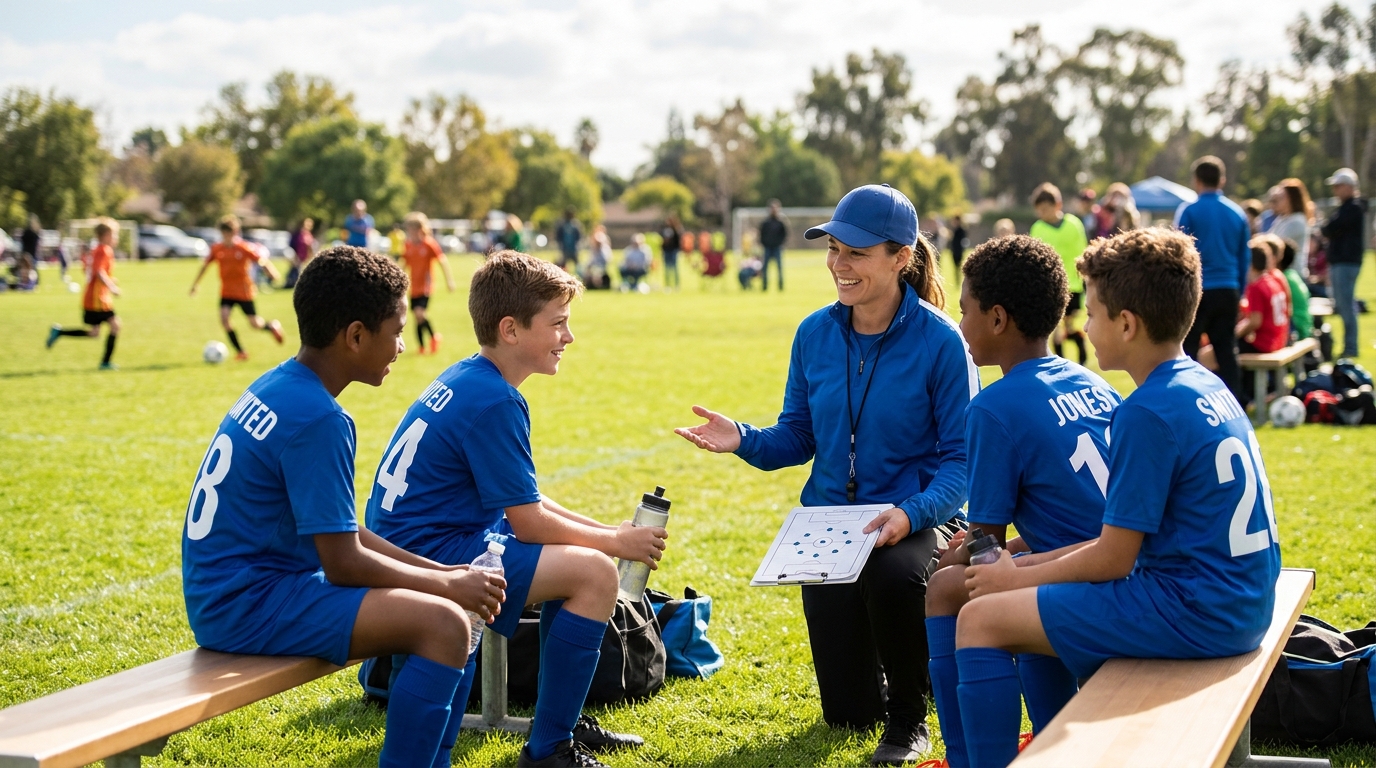
Fair playing time is one of the most sensitive responsibilities in youth and amateur sport. Players want opportunities, parents want clarity, and coaches need to balance development, safety, team goals and game situations. A fair system does not always mean every athlete plays identical minutes in every match. It means expectations are clear, decisions are consistent and every player has a genuine path to earn meaningful opportunities.
Define What Fair Means for Your Team
Before the season begins, decide what playing-time standard fits your age group, league rules and competitive environment. In developmental youth sport, equal or near-equal participation should usually be the default. In older or more competitive settings, playing time may vary, but it should still be connected to transparent factors rather than coach preference.
Build your approach around a few simple principles:
- Every player deserves meaningful involvement. Avoid token appearances or only using certain athletes when the game is already decided.
- Development matters alongside results. Young athletes need game repetitions to improve decision-making, confidence and resilience.
- Safety comes first. Injuries, fatigue and unsafe conduct can legitimately affect participation.
- Effort and team behaviour should count. Attendance, attitude, preparation and following team standards are reasonable factors when communicated in advance.
- The same standards apply to everyone. Star players and developing players should both be accountable to team expectations.
Put these principles in writing. A short playing-time policy helps prevent confusion later and gives families a shared point of reference.
Communicate Expectations Before the First Game
Most playing-time conflict comes from surprises. Hold a preseason meeting or send a clear team message that explains how decisions will be made. Keep the language positive and specific.
For example, explain whether your team uses equal shifts, minimum participation targets, role-based rotations or competitive line-ups in certain situations. Let families know that positions may change and that the goal is to develop complete athletes, not lock children into a single role too early.
Your policy should cover:
- Minimum playing-time expectations, where applicable
- How attendance and punctuality affect selection
- How players can earn more responsibility
- How injuries and safety concerns are handled
- When parents should raise concerns and through which channel
Set a boundary for game-day conversations. Ask parents to wait until at least the next day before discussing playing time, unless there is an immediate welfare concern. This gives everyone time to respond calmly and keeps the sideline focused on the athletes.
Plan Rotations Before the Match Starts
Fairness is much easier to deliver when it is planned rather than improvised. Before each game, create a rotation plan that identifies who starts, when substitutions are likely to happen and which players need time in particular positions.
A simple roster tracker can help you monitor:
- Minutes or shifts played
- Starts versus substitute appearances
- Positions played
- Training attendance
- Player development goals
- Any restrictions due to injury or return-to-play plans
Do not rely on memory, especially with a large squad. Coaches often unintentionally give more minutes to the most familiar, confident or vocal players. Recording participation across several games reveals patterns that may otherwise go unnoticed.
SphereHyx can make this process easier by keeping rosters, attendance, availability and match notes in one place. When your information is organised, you can make better decisions before the whistle blows instead of reacting under pressure.
Make Playing Time Meaningful
Equal minutes are not enough if one player always receives low-impact minutes or is repeatedly placed in a role with little chance to contribute. Aim for equitable experiences over the course of a season.
That means rotating opportunities such as:
- Starting games
- Playing in different units or partnerships
- Taking part in key phases of a match
- Trying different positions
- Leading warm-ups or team huddles
- Taking age-appropriate responsibility in close games
Players do not all develop at the same rate. Give athletes achievable challenges based on their current needs. A developing player may need a clear defensive assignment, while a more advanced player may be challenged to communicate, create chances for teammates or lead by example.
Address Difficult Decisions Consistently
There will be matches where equal time is difficult: a tournament final, a short game, an injury, a disciplinary issue or a league with different competitive expectations. In these moments, return to the standards you shared at the start of the season.
If a player receives less time than usual, explain it privately and constructively. Focus on observable actions, not labels. Say, “Your effort in training has improved; next, let’s work on being ready when we lose possession,” rather than, “You are not good enough.” Give the athlete a specific next step and a realistic opportunity to demonstrate progress.
For parents, listen without becoming defensive. Restate the team policy, share appropriate context and keep the conversation centred on the player’s development. Never compare one child directly with another.
Review Your Approach Throughout the Season
Fair playing time is not a one-time policy; it is an ongoing coaching habit. Review participation every few weeks and ask yourself whether every athlete is being seen, challenged and supported.
A strong system builds trust. When players understand that effort, growth and team standards matter, they are more likely to stay engaged. When families see a consistent process, they are more likely to support it. Most importantly, fair opportunities help young athletes develop a lasting love for sport.
Run your club with SphereHyx
Teams, attendance, payments and tournaments — all in one place. Free to start.
Create your club free